


According to Indeed's 2026 UK Hiring Trends report, the UK leads peer countries with 5.6% of job postings now mentioning AI or related tools. The Hays 2026 Salary and Recruiting Trends guide found that 47% of employers are experiencing AI skills shortages. That gap exists at every level of seniority and across almost every sector, which means candidates who can demonstrate practical AI skills stand out.
Prompt writing: getting useful outputs from tools like ChatGPT, Claude, or Gemini
AI-assisted writing and editing: drafting, summarising, and improving documents without losing your own voice
Data analysis: using tools like Microsoft Copilot to interpret data and generate reports.
Google AI Essentials: a free, practical course completable in under ten hours
Microsoft Learn: free training on Copilot and AI tools within Microsoft 365
Coursera and FutureLearn: short courses from UK universities on AI fundamentals and data literacy
Reed.co.uk professional learning: digital skills and technology courses
How do you show AI skills on a CV?
Be specific. Instead of 'familiar with AI tools', write something like 'used AI writing tools to reduce first-draft time on monthly reports' or 'automated weekly data summaries using Microsoft Copilot'. Employers want evidence of practical application, not just awareness.
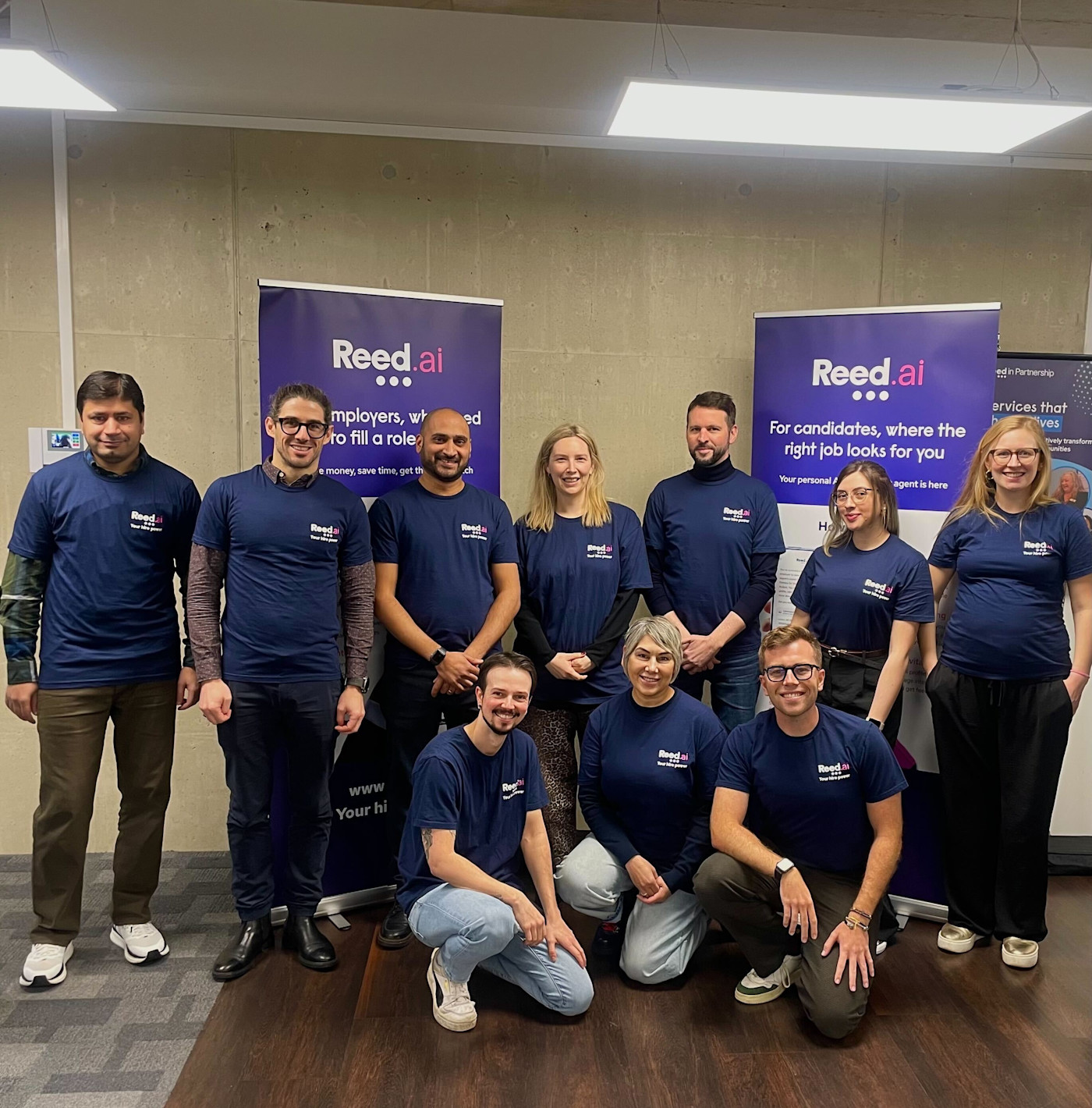
At Reed.ai, we practise this ourselves. We actively encourage our team to learn and use AI tools as part of their day-to-day work, because we believe that getting the most out of AI requires hands-on experience, not just theoretical knowledge. It is something we look for in the people we hire through our own platform too.


Why do AI skills matter for jobseekers in 2026?
What AI skills do employers actually want?
Where can I learn AI skills for free?
Do I need to be a developer to use AI at work?
How do I show AI skills on my CV?
How long does it take to learn useful AI skills?


